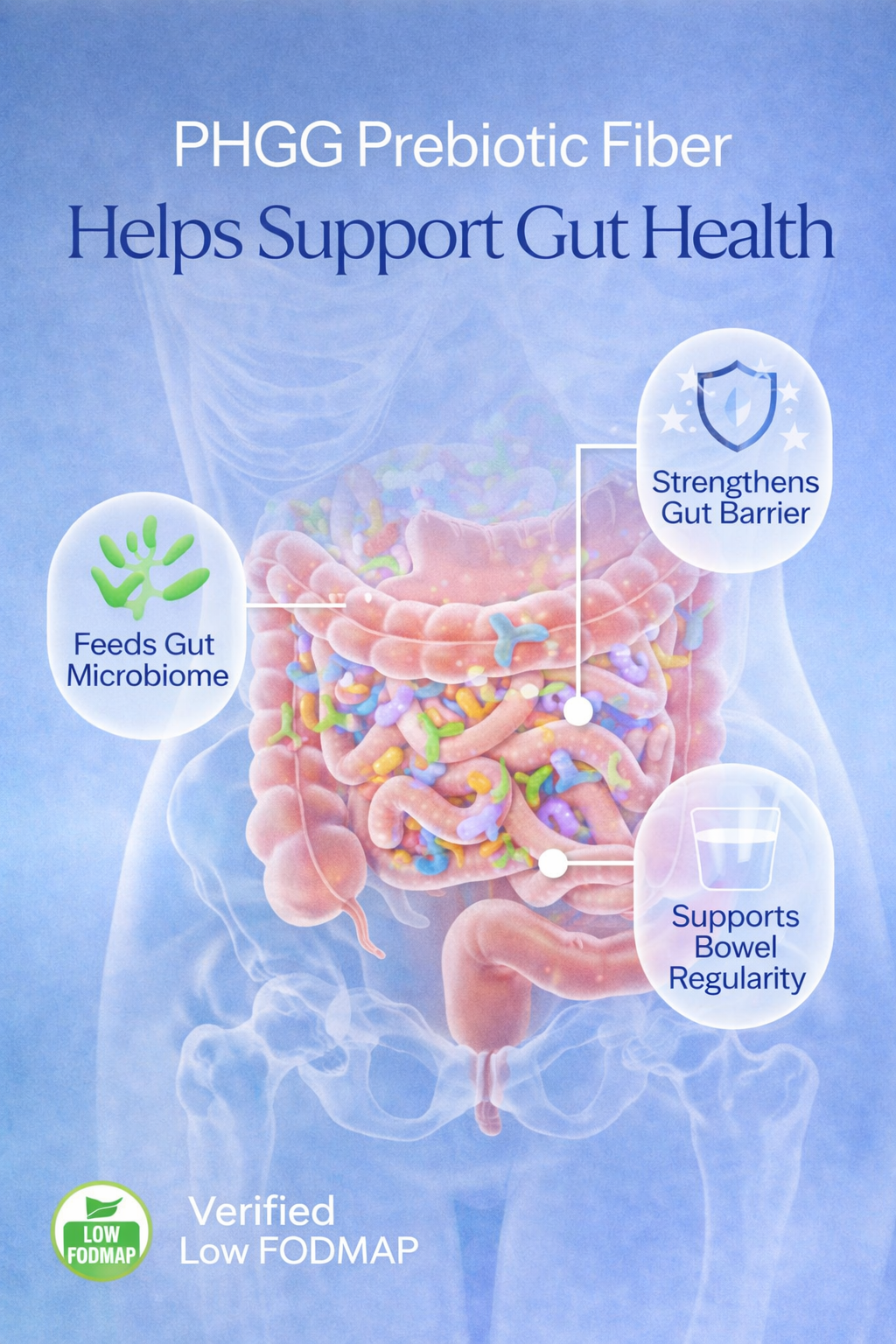
Is PHGG Low-FODMAP?
A complete guide to partially hydrolyzed guar gum and whether it fits into low-FODMAP diets for sensitive digestion.
Clear explanations, clinical research, and honest comparisons to help you choose what actually works for digestive health.
No hype. No miracle claims. Just science-backed wellness insights.
Wellthsana is an educational resource focused on digestive health, prebiotic fiber, and evidence-based wellness supplements.
We break down what the research actually says, explain who products are for, and highlight options that are easier on sensitive digestion. We prioritize:
A complete guide to partially hydrolyzed guar gum and whether it fits into low-FODMAP diets for sensitive digestion.

How do these popular fiber supplements compare for bloating, tolerance, and gut bacteria support?
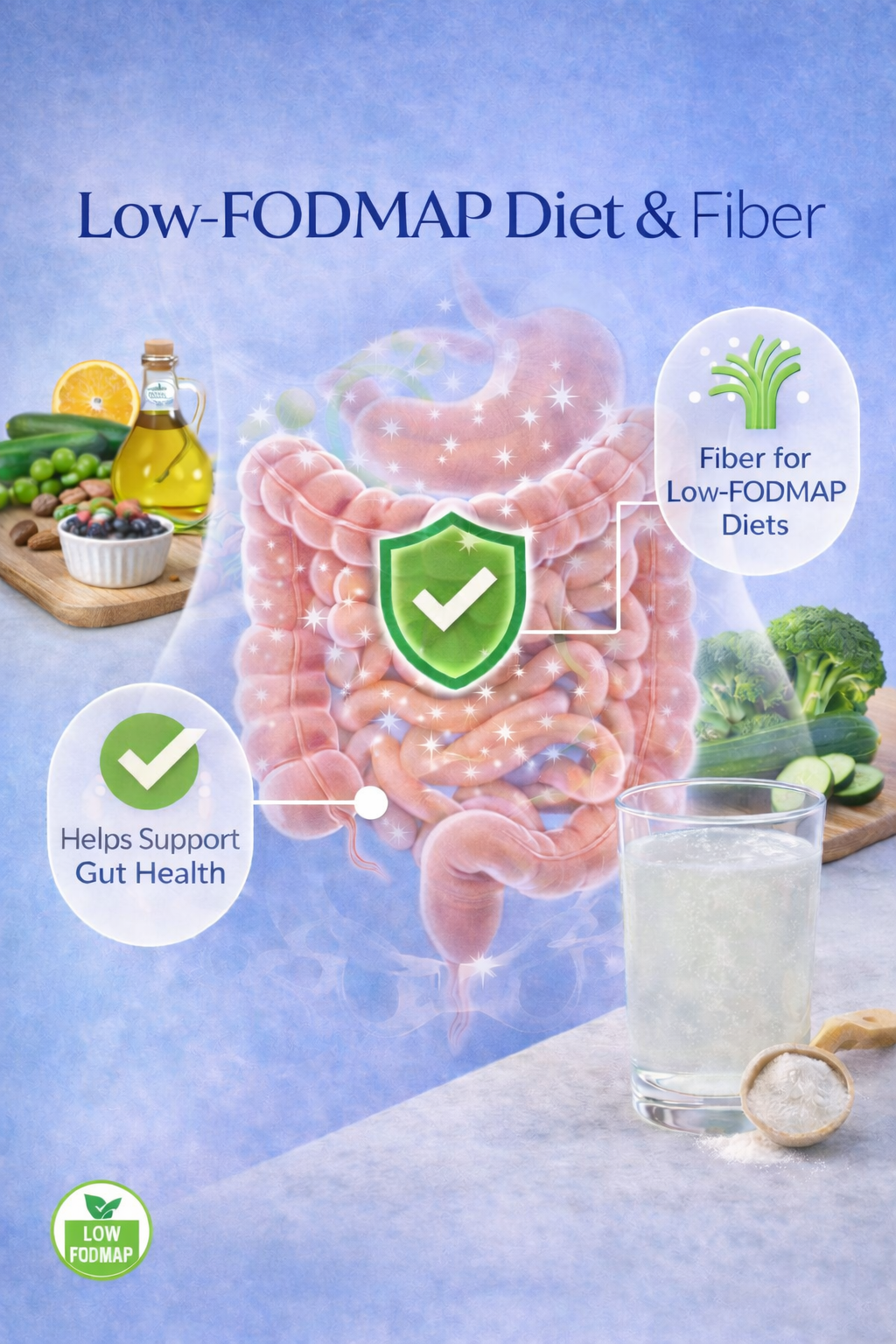
Quick answers to the most common questions about prebiotic fiber and digestive health.
PHGG is less likely to cause bloating than rapidly fermentable fibers because it breaks down slowly in the colon.
Most people notice digestive improvements within 1–2 weeks, though prebiotic effects on gut bacteria take longer.
Compare PHGG, psyllium, acacia, and inulin for IBS, bloating, and sensitive digestion to find the gentlest option.
When supplements are appropriate, we highlight products that meet specific criteria for purity, formulation, and digestive tolerance.
Our recommendations are based on ingredient quality and evidence, not brand hype.
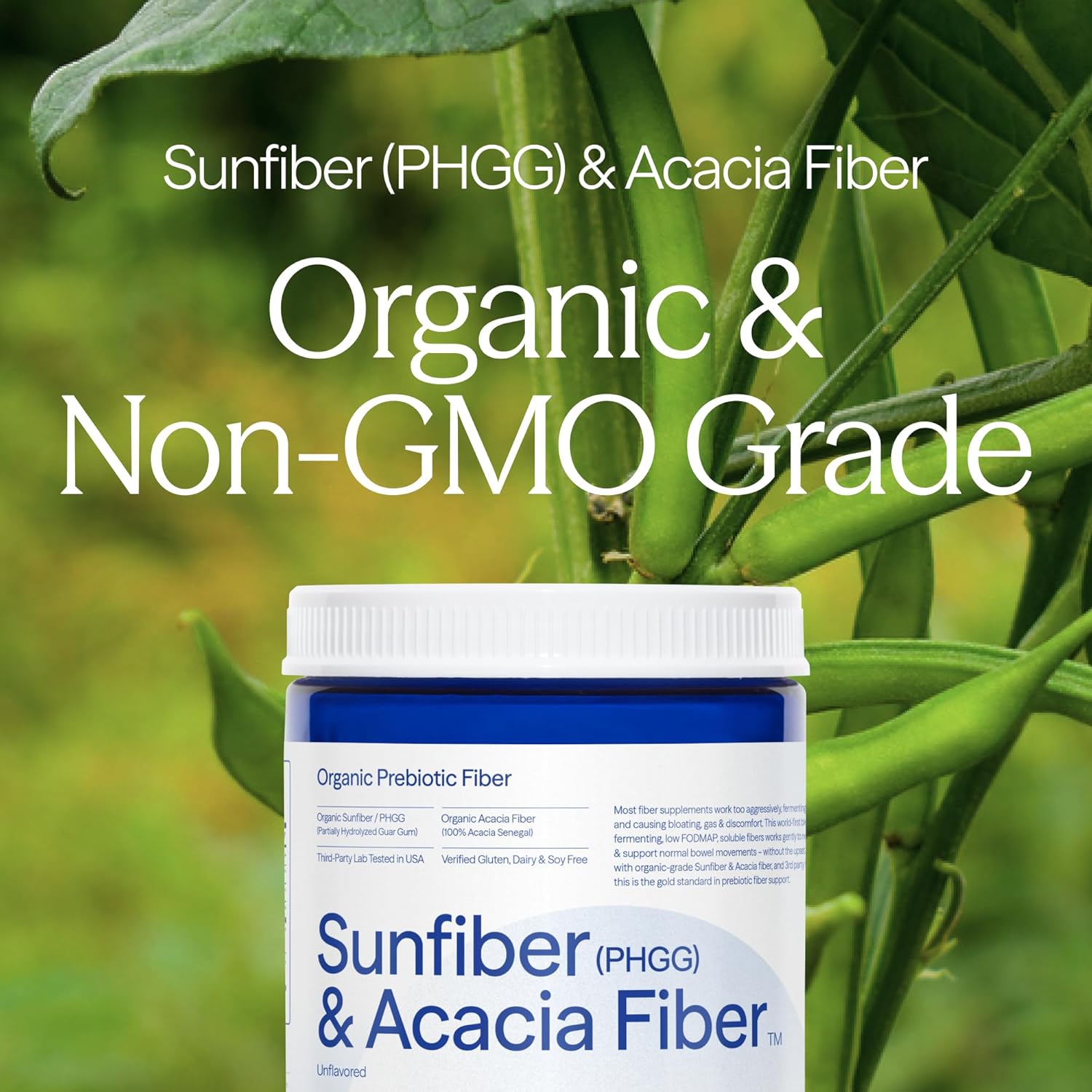
A Low-FODMAP certified, tasteless soluble fiber that supports digestive regularity, feeds beneficial gut bacteria, and is designed to be gentle on sensitive digestion.
View Reviewed Supplements →
Wellthsana was founded on a simple belief: everyone deserves access to honest, research-backed wellness information. We cut through the noise of health marketing to bring you evidence-based reviews and practical gut health tips you can trust.
Learn more about our mission →